Project overview
People and companion animals act in tandem as co-performers to create place in urban environments
There are 20 dogs for every 100 people in Australia. The dog-owning population includes all demographics and ages; understanding how humans and companion animals dwell in urban/sub-urban environments can be a fundamental factor to plan and achieve better smart cities, in alignment with UN Habitat New Urban Agenda (NUA) and UN Sustainable Development Goals (SDG).
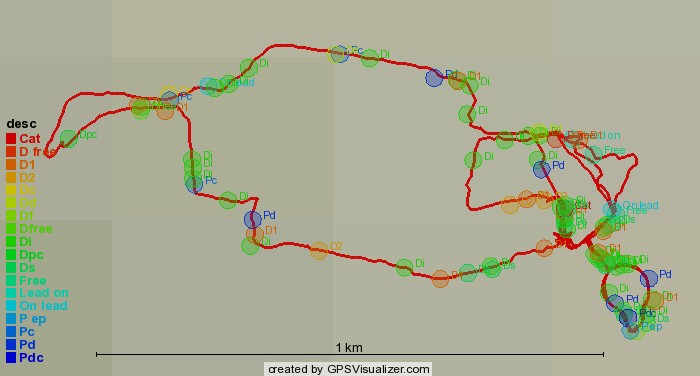
This project focuses on how humans and companion animals navigate and experience the built environment in a physical, social, and experiential way, so to inform planning and strategic design to foster individual well-being which extend to the wider community. Findings will also facilitate the creation of community networks, foster grass-roots citizen participation with urban planners in local and state governments for creating better smart cities. The project will connect planners to the lifeblood of urban communities in order to foster ‘slow’ cities (Cittaslow) – livable smart cities which consider place-making, social sustainability and quality of life
Pathways: Background|| Research
We acknowledge the Turrbal, Jagera, Jinibara and KabiKabi Peoples on whose land the project and the walking have taken place.
The production of the Pathways app prototype was made possible with the kind assistance of the QUT Design Lab prototype funding.