
A major aspect of the earliest design concepts for the project is the idea that the companion animal is an important co-performer in the experience and the place-making that occurs during the walk.
Early design work proposed a bluetooth dongle for the dog that would be activated on attachment of a lead and which would generate a UID. The idea was that any community networks would be generated through the dogs themselves.
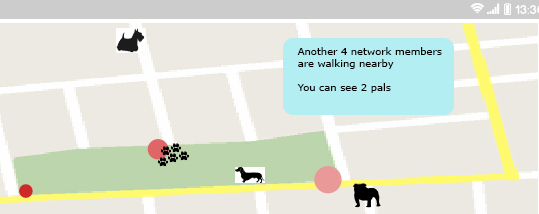
Once the walker actively joins the local network, their dog would be displayed as a presence on the map, providing the basis for ‘trusted networks’ in much the same way that we do tend to make stronger connection with other walkers whose dogs get on with our own. Trusted networks can then be created through Physical Community Exchanges (PCEs), generated when two Bluetooth devices (two dogs) come into proximity. Walkers would be alerted by the mobile device and then have the option of adding each other to a personal network.
Pathways and Paws(es) 2018
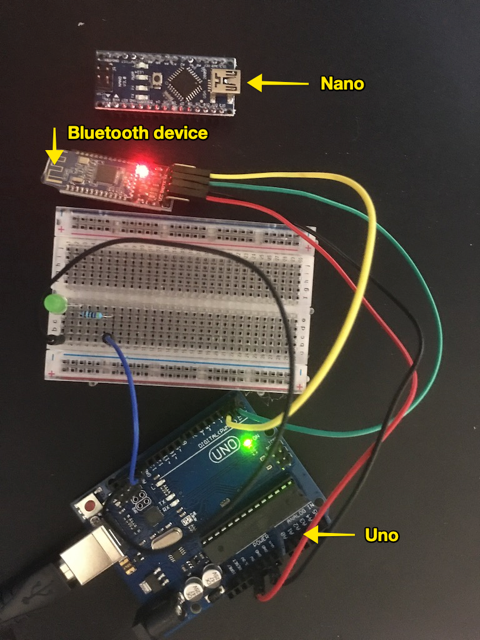
This early low-fi prototype is still a work in progress. This particular sub-project has been mothballed somewhat in favor of a focus on the data collection.